
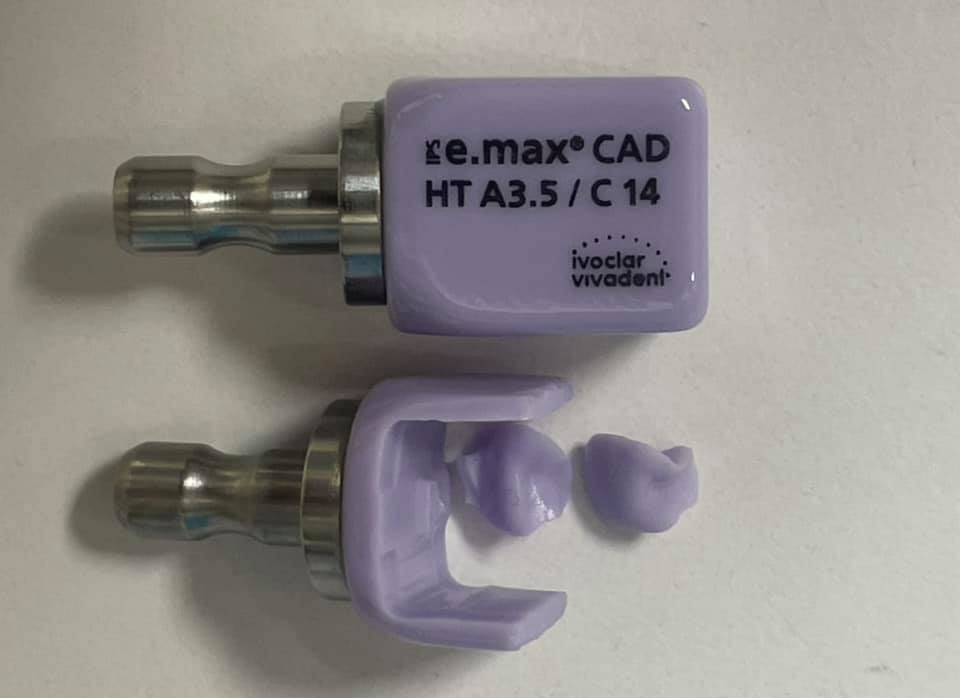
In today’s dental landscape, efficiency and cost control are just as critical as clinical excellence. As CAD/CAM technology continues to evolve, systems like CEREC have opened new possibilities for streamlining workflows and maximizing material use. One such approach gaining attention is the ability to mill two restorations from a single block—a simple yet impactful technique that can significantly improve practice economics.
By optimizing block utilization, clinicians can reduce material costs, minimize waste, and increase the overall value extracted from each milling session. This method not only supports more sustainable practices but also enhances productivity without compromising restoration quality. In this blog, we’ll explore how to successfully mill two dental restorations from one block using CEREC, and why adopting this approach can be a smart move for both your practice and your patients.
Here is the workflow on how to mill 2 restorations from one block :
This is mostly possible with a size 14 or larger block and more likely two be accomplished on a MCX or MCXL ( smaller sprue size )
Step 1 : Mill the first restoration.
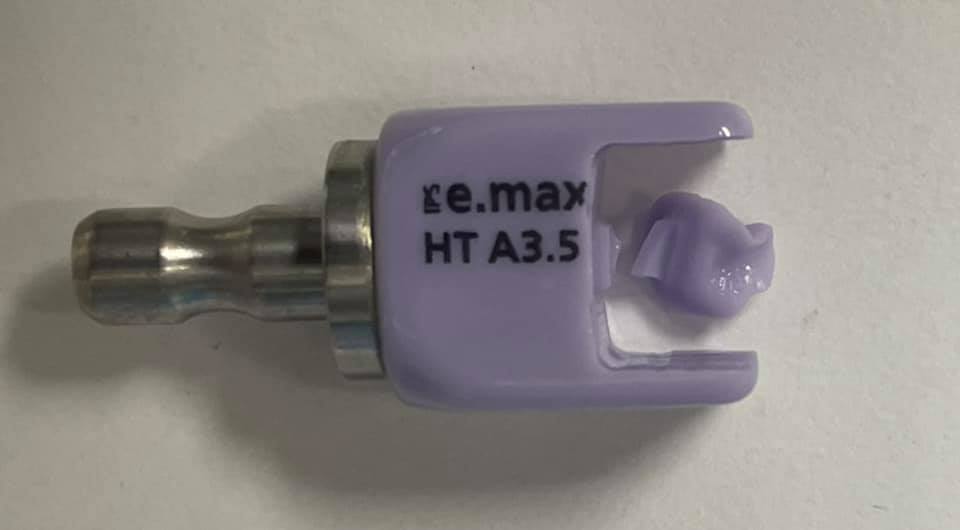
Step 2: Cut off the side wings either with a bur or grind it on a lathe. Sometimes I have been successful without cutting them off . General rule is if you can still read the shade you can most likely mill another small restoration.
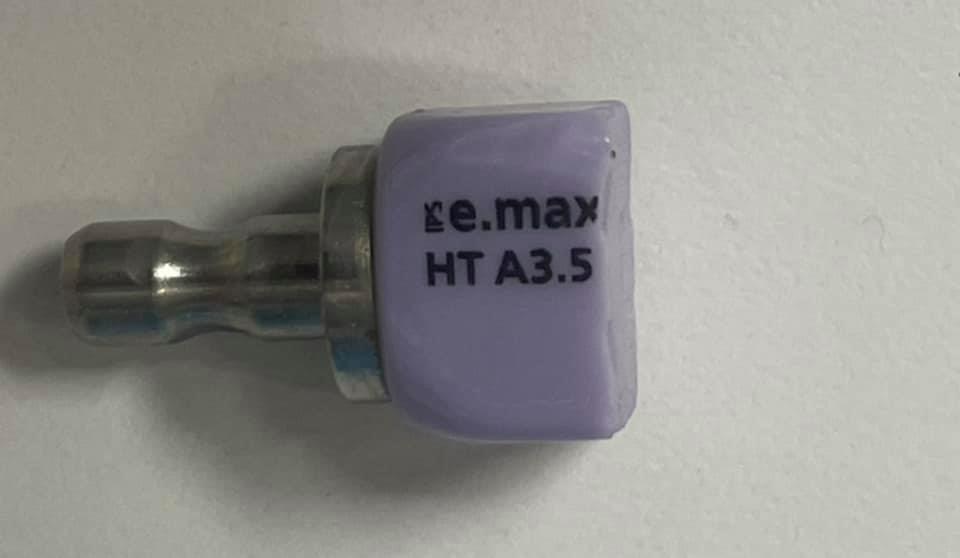
Step 3: In the manufacture stage you still pick a size 14 block. No need to change the position of the restoration within the block. Hit mill.
You will most likely be able to mill another small restoration.
Examples of restorations that can be milled with one block :
1) 2 veneers.
2) 2 small inlays/ onlays.
3) 2 small premolars.
4) 2 lower central incisor crowns.
5) 1 Anterior crown and a veneer
6) 1 veneer and a premolar.
Things to remember:
Sometimes the software will warn you that the 2nd restoration will not fit in the block as it also takes the size of the sprue in consideration. I ignore that warning and hit mill. 90% of the times it still mills and and is also able to cut the restoration off the block.
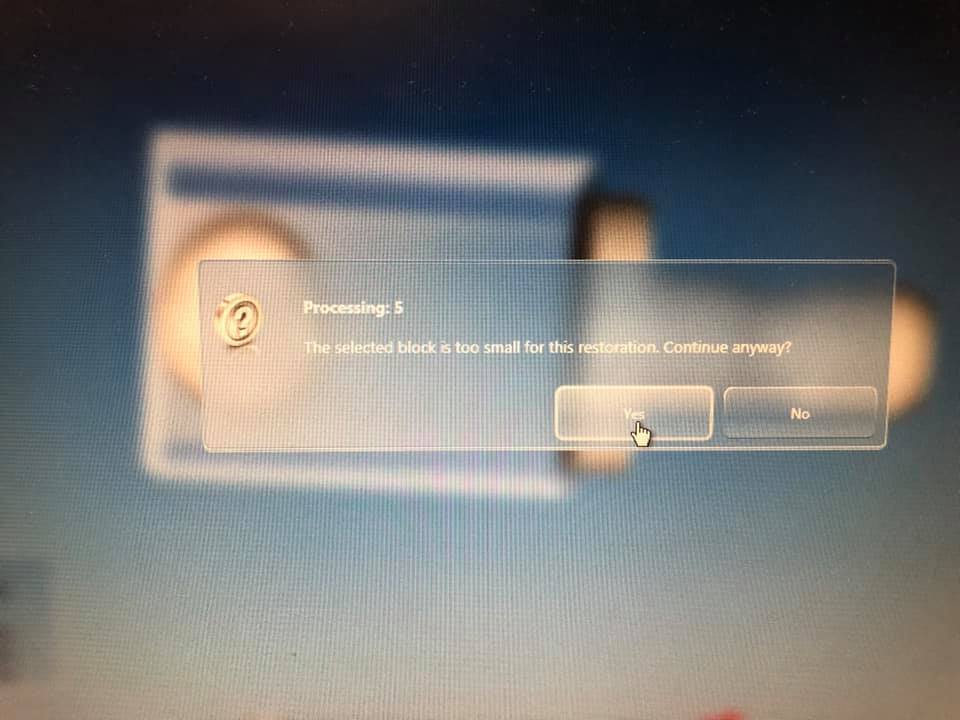
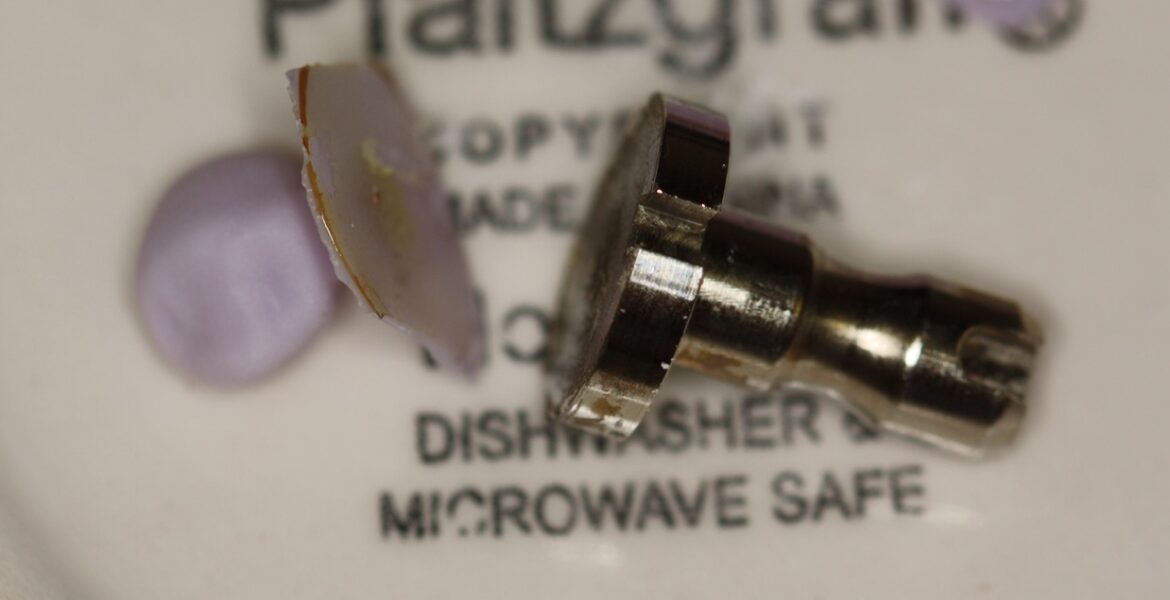
Sometimes it may not and you may have to manually cut off the restoration from the block. Use a thin coarse diamond bur to cut it off.
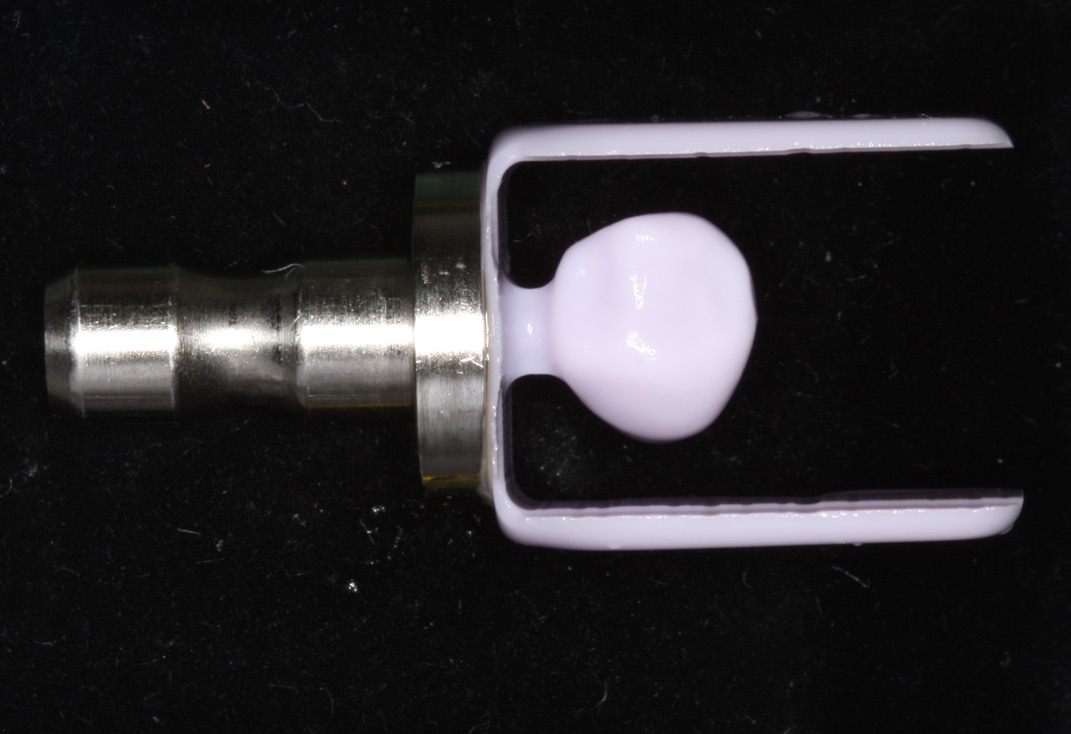
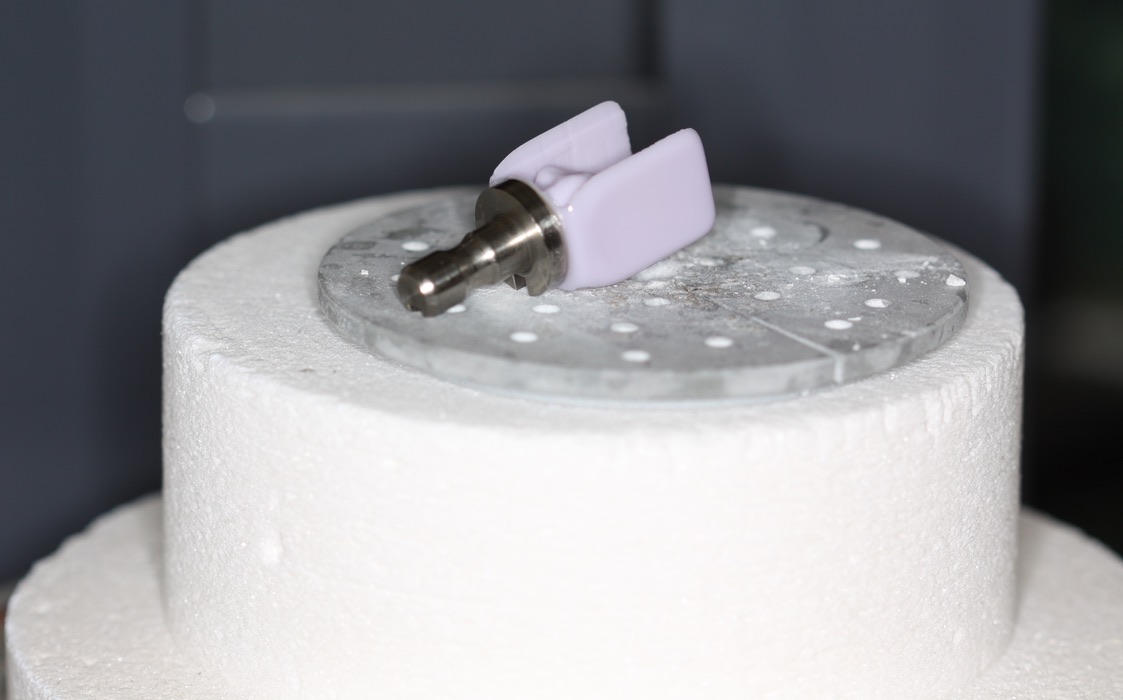
Sometimes there is no space left for you to even manually cut the restoration off. In that case you put the block in the oven at 500 degrees for about 4-5 min and it melts the glue and then you can separate the restoration from the metal and cut it off manually.
As dentistry continues to embrace digital innovation, small workflow optimizations can deliver meaningful gains. Milling two restorations from a single block is a practical example of how thoughtful use of CEREC technology can translate into real-world benefits. By reducing material waste and lowering per-unit costs, this approach supports both profitability and sustainability—two priorities that are increasingly important in modern practice.
Ultimately, adopting techniques like this is about working smarter, not harder. With proper case selection, planning, and execution, clinicians can maintain high-quality outcomes while making better use of available resources. As you refine your digital workflow, consider how strategies like dual-restoration milling can help you deliver greater value—to your practice, your team, and your patients.
Keep CADCAMing