
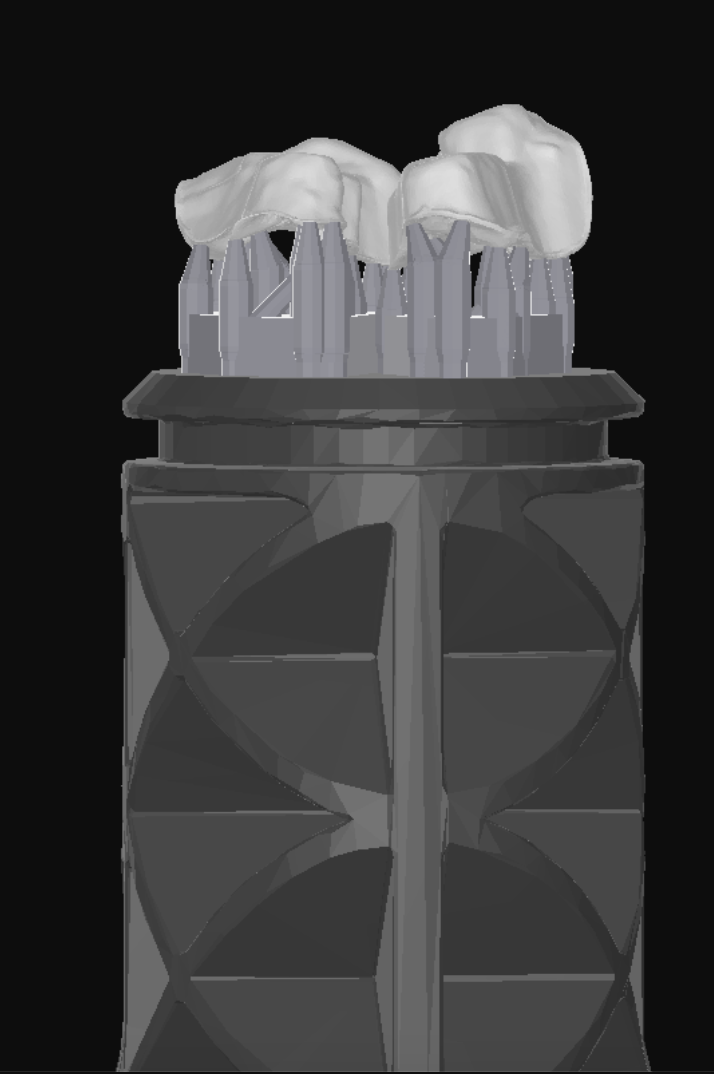
For practices looking to stay fully digital without the high entry cost of chairside milling, 3D printing offers a powerful and cost-effective alternative to traditional CEREC workflows.
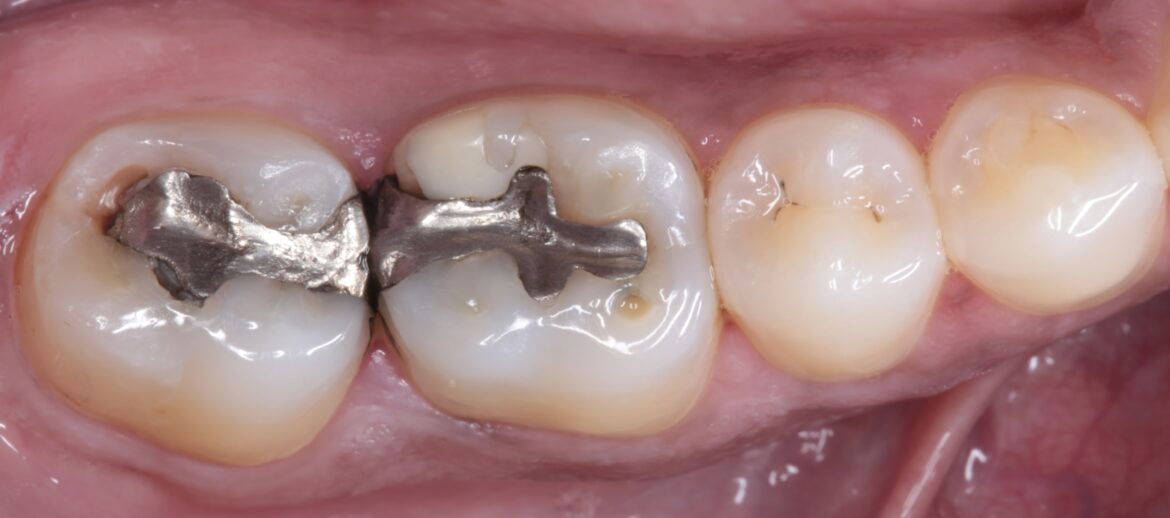
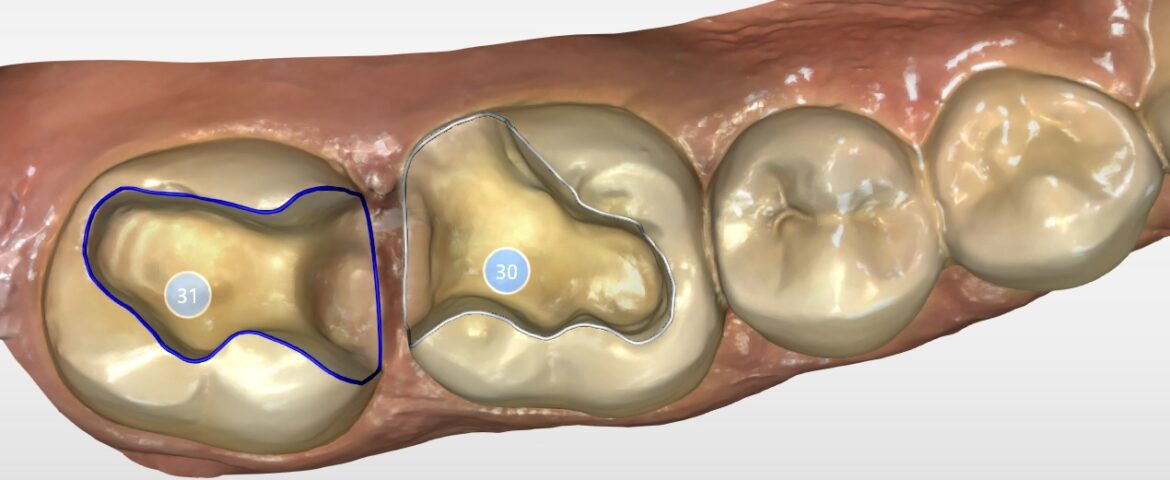
Step 1: Scan with CEREC / Or any Scanner
The workflow begins exactly where many clinicians are already comfortable—capturing a precise intraoral scan using any Intra Oral scanner. Accurate digital impressions ensure excellent margins and occlusal detail, setting the foundation for a predictable restoration.
Step 2: Import STL into SprintRay Studio
Instead of sending the scan to a mill, the STL file is exported and imported directly into SprintRay Studio. This seamless handoff allows clinicians to stay entirely within a digital environment.
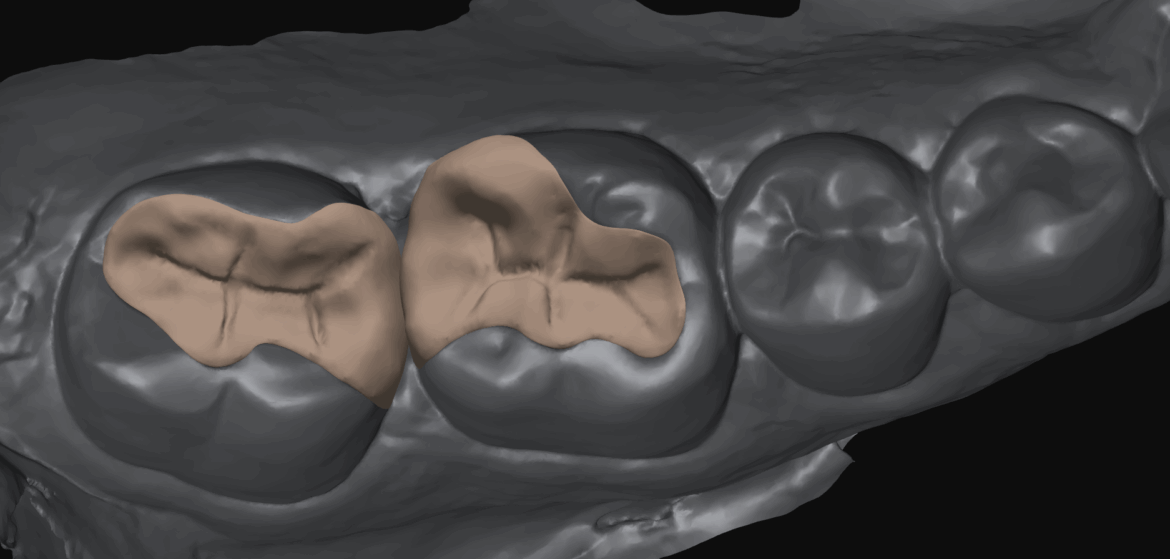
Step 3: Design the Onlay
Within SprintRay Studio, the onlay is designed with full control over anatomy, contacts, and occlusion. The design process is intuitive and efficient, making it easy to fine-tune restorations for optimal fit and function.
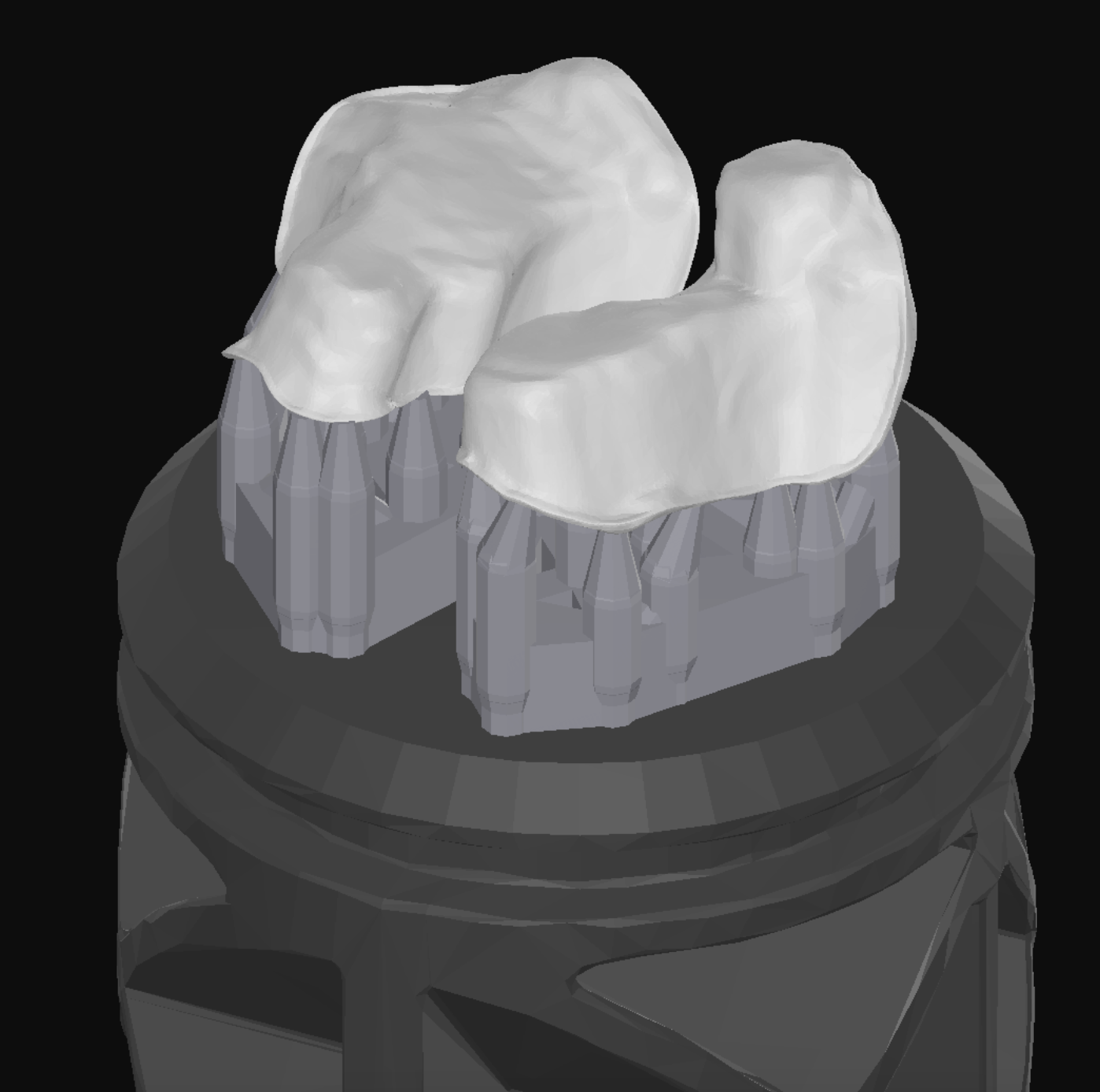
Step 4: Print with Crown HT Resin on the Midas Printer
The finalized design is printed using SprintRay Crown HT resin on the Midas printer. Crown HT provides excellent strength, esthetics, and wear resistance, making it ideal for definitive onlays—without the material waste and tool wear associated with milling.
Step 5: Wash and Cure
After printing, the restoration is washed and properly cured following manufacturer guidelines. This ensures optimal mechanical properties, accuracy, and long-term performance.
Step 6: Deliver the Restoration
The finished onlay is tried in, adjusted if needed, and delivered providing a streamlined experience for both clinician and patient.
Why Choose This Workflow?
- Lower cost of entry compared to purchasing and maintaining a CEREC mill
- Reduced material waste as you can print multiple restorations from 1 capsule.
- Flexible, scalable digital workflow
- High-quality definitive restorations using modern 3D printing materials
For practices already scanning with CEREC, adding 3D printing is an accessible way to expand digital capabilities—without committing to the higher upfront and ongoing costs of milling.
Keep CADCAMing